This trek has been firmly on my hit list for a while now. While everyone else is jetting off here, there, and everywhere to do the famous Inca Trail, the Lares Trek is the one that’s truly calling my name. There’s something impossibly alluring about its grittier nature—the promise of untouched landscapes and quiet trails, without the hoards of tourists. I’m talking about a more intimate, authentic adventure through the Andes, where you connect with the land and the people in a way you just can’t on more beaten paths. This trek is perfect if you’re craving a proper adventure but are a bit short on time. It’s a top, top, top option for getting a true feel for the Andes before finishing with the surreal spectacle of Machu Picchu. The thought of this journey—with its dramatic mountain vistas, high passes, and the pervasive sense of calm—is something I’ve been craving for so long.
This is it. Our journey kicks off with a prompt 5:00 a.m. pickup from our accommodation in Cusco, a city sitting at approximately 11,155 feet (3,400 meters). We’ll head straight to the charming town of Pisac, a lovely stop off at 9,751 feet (2,972 meters), where our private chef will be ready with a hearty breakfast that’s going to zhuzh us up for the day. Honestly, the idea of having a dedicated chef on a trek like this is just a whole new level of chic.
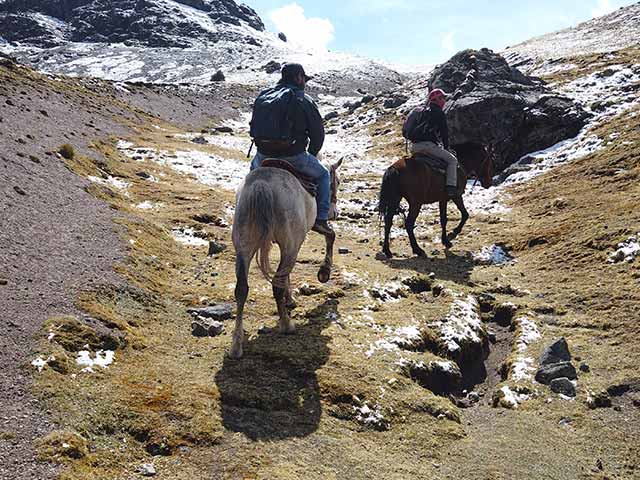
After breakfast, we’ll continue our drive for another 40 minutes to Huaran (9,186 feet / 2,800 meters), where we meet our horses and their handlers. With our boots on and spirits high, we’ll start our gradual ascent, trekking for about three hours towards Cancha Cancha. Lunch will be served alongside a river, which sounds like the perfect spot to recharge. We’ll arrive at the community of Cancha Cancha (9,678 feet / 2,950 meters), a truly remote and traditional place that was only just connected to electricity in December 2019. There are no roads leading here, which adds to its untouched feel. After settling into our tents and having afternoon tea, we’ll get to visit a local family. I can’t wait to learn about their daily life with our guide as an interpreter. After dinner, we’ll get a fascinating lesson on the Inca constellations, which were, and still are, vital for agricultural guidance.
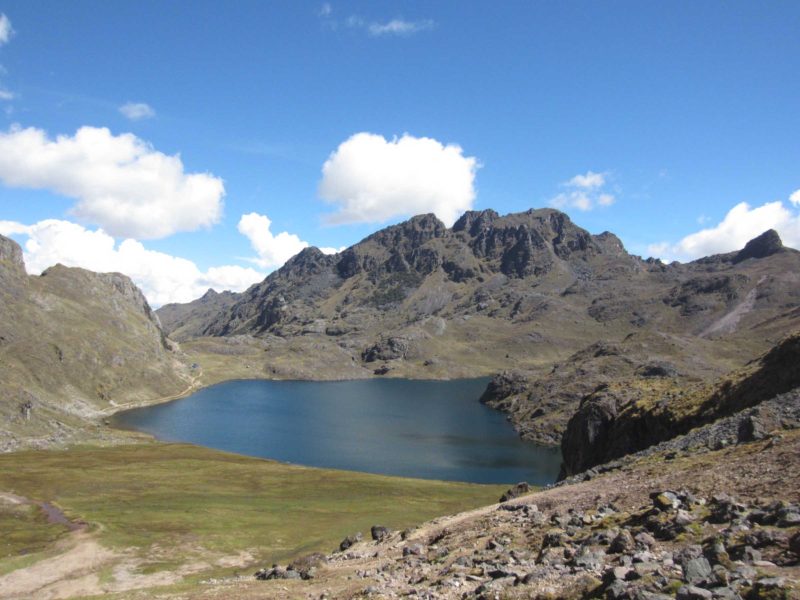
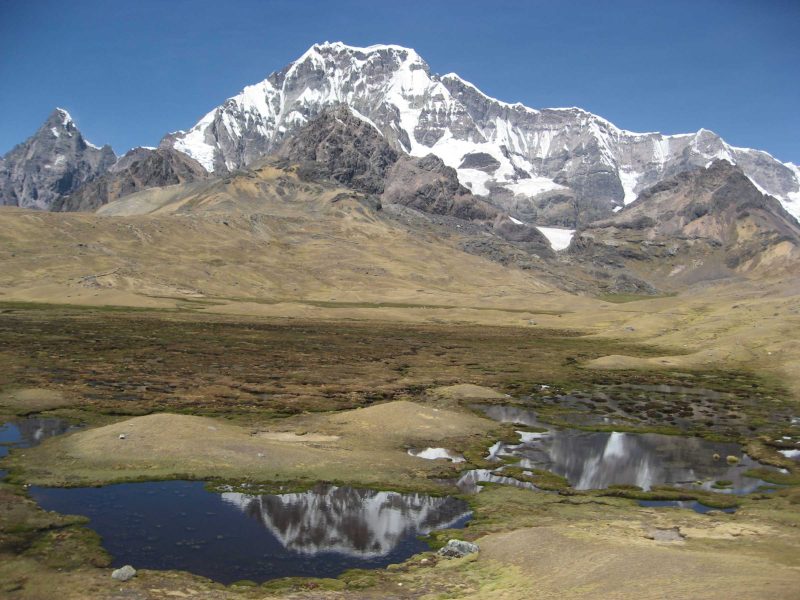
We’ll be all revved up after another delicious breakfast to begin our six-hour hike northeast. This is where we really earn our stripes, with an intense ascent to the highest point of the trek: Pachacutec Pass (15,419 feet / 4,700 meters). Making it to the summit is going to be an epic feeling. The views from here are nothing short of spectacular, with glaciers, remote lakes, and alpaca herds dotting the landscape. I’m hoping to spot some Caracara falcons and Andean geese in the sky.
After soaking it all in, we’ll descend for three hours to our campsite near the community of Quiswarani (12,631 feet / 3,850 meters). On the way, we’ll see indigenous people in their traditional outfits, herding llamas and alpacas. Our guide will translate as they share their culture in the Quechua language. It’s that kind of authentic connection that makes a trip unforgettable. We’ll also pass a series of seven magnificent waterfalls just before arriving in Quiswarani. From there, we’ll take a two-hour transfer to Ollantaytambo (9,160 feet / 2,792 meters) and catch a train to Aguas Calientes (6,693 feet / 2,040 meters) to spend the night in a hotel, a much-needed break after a big day of hiking.
This is the day we’ve been waiting for! We have two options for the final ascent: take an early bus or hike for about two hours. Once at the Machu Picchu archaeological site (7,972 feet / 2,430 meters), we’ll embark on a private 2.5-hour guided tour. Our guide will expertly navigate us through the legendary ruins, showing us the Temple of the Sun, the Temple of the Condor, and the iconic Sun Dial. After the guided portion, we’ll have time to explore the city on our own. I’d love to walk to the Sun Gate for a final, sprawling view.
After our visit, we’ll descend to Aguas Calientes for a leisurely lunch before boarding the Expedition train for the return trip to Cusco. We’ll get off at the Ollantaytambo Train Station and our private van will be waiting to take us back to our hotel in Cusco, arriving around 7 p.m.
A highly qualified professional with extensive experience in the art of guiding will lead your tour. They have years of dedication to nature walks, have medical certifications and an overflowing passion for leading people on unforgettable adventures.
We understand how essential a delicious hot meal is to revitalize and comfort your body after a challenging hike. Therefore, on each expedition with Ausangate Peru, you will find chefs with extensive experience in preparing meals during the hikes.
All our hiking trips offer a varied selection of delicious meals, rich in carbohydrates, proteins and essential fats. We have carefully selected foods that adapt perfectly to the natural environment.
Our experienced muleteers and their faithful horses are responsible for all our equipment and will always be available in the safe and comfortable camps, ready to receive us.
For our hikes, we provide you with your own personal chef. They prepare delicious meals of different dishes so you will be happy, satisfied and energized for your hike. We have had many comments from previous travelers saying that the food was amazing and they really liked it and it was an unexpected highlight of the trip. Additionally, for our tours and trek packages we ensure that all meals included in restaurants are safe and offer a variety of optional dishes. For more information about food and restaurants.
Unlike other travel companies, we keep our numbers of travelers small and our services are personalized. It is important to us to make every part of your trip special. We guarantee the maximum number of people in your group will be eight, although our groups usually end up being smaller than this. We can also organize private tours and services if you wish.
You must spend at least two days in Cusco to properly acclimatize before beginning any trek you do with us. You can also take altitude pills called Diamox or get this medicine in Cusco, or soroche pills. Make sure you drink plenty of water and coca tea. If you stay at the Hotel Cusco B&B they can show you how to make your first Coca mate!
Our guides are well prepared with first aid kits. They are also trained and certified in CPR and first aid. For our high altitude hikes, we always carry emergency oxygen. Additionally, for our long alternative treks to Machu Picchu, we also have an emergency horse that can be ridden.
We have our own stock of high quality equipment and adapt it to your trip. We make sure you are warm and comfortable during your adventure. Our tents are The North Face Mountain 25 2 person tents. We also work with a variety of hotels in the area and make sure we find them within your reach and liking.
For all your hikes and tours, you can store your luggage for free at your hotel or in our office.
The high tourist season in Peru is from April to September. This is also the dry season, when hiking is excellent because there is very little chance of rain. However, some people prefer to visit Peru during the low season, from October to March, because there are generally fewer tourists in the city and at the tourist sites. Additionally, during the rainy season, the mountains and valleys around Cusco are green and lush. If you are planning to hike Machu Picchu it is generally best to try to go during the dry season, however we have many groups that go during the rainy season and still have an amazing experience. We offer all our hikes throughout the year and the archaeological sites are open all year round, with the exception of the entrance to the Inca Trail, which is closed throughout the month of February for maintenance.
Due to the geographical properties of the mountains, the weather in the Andes is very unpredictable. The weather here is known for short rain showers, followed by sunshine, followed by thunderstorms. The rainy season lasts from approximately October to March, so if you plan to travel within these months, be sure to bring a waterproof jacket or poncho. If you are traveling between April and September, the probability of rain is lower, but it is important that you bring a poncho so as not to have any problems during the walk, since there will be light rains. The Cusco region is generally hot during the day and cold at night. In the summer, between October and March, it can be in the mid-80s during the day and drop to around 50 degrees at night. In the winter, between April and November, it can reach up to the mid 70s and then drop as low as 30s at night. The weather at night varies significantly depending on altitude. At Cusi Travel, we provide you with warm North Face tents to sleep in during camping trips, but in any case, make sure to bring a warm and light thermal fleece or sweater for the night. For more information on what clothes to bring on your trip to Cusco.
Be sure to always carry cash with you, as some places do not accept credit cards. Most stores and restaurants also require you to pay in Peruvian soles, but you can always exchange money at a “Casa de Cambio”. There are also many ATMs in the city of Cusco, but they generally have limits and withdrawal fees. For more helpful money tips.