Overview
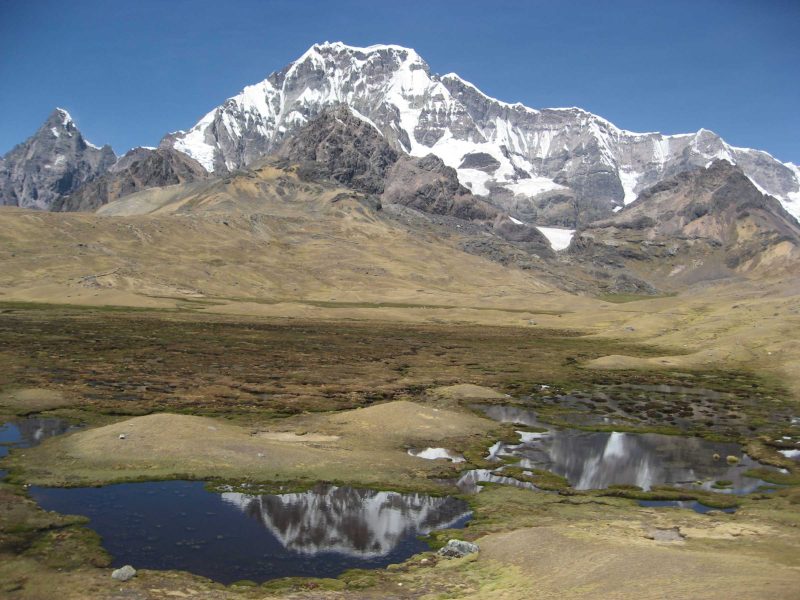
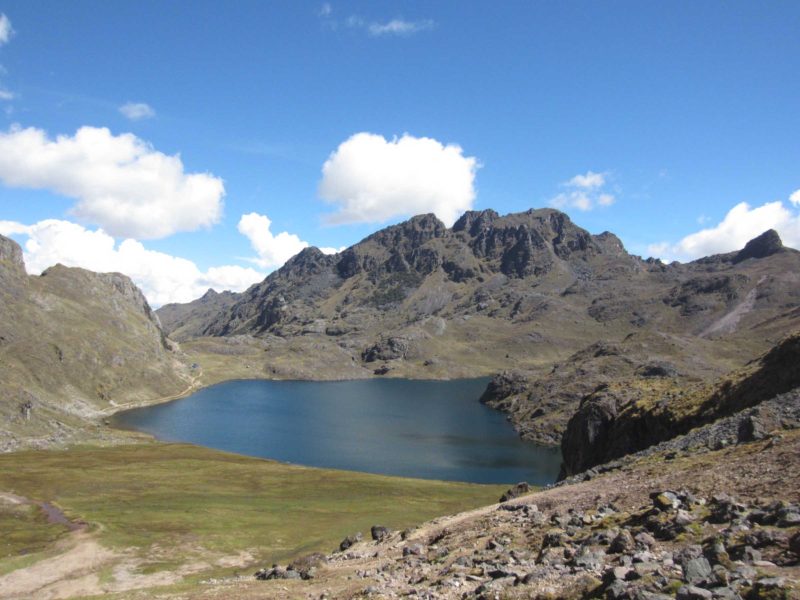
This is the one. The Lares Trek has been calling my name for a long, long time. It’s the ultimate further-flung spot for a reason, a trek that takes you completely off the beaten path and into the soul of the Andean landscape. I’m craving the kind of immersive experience where life is still lived as it has been for centuries, where you see farmers tending to their land and women weaving vibrant textiles. This isn’t just about hiking; it’s about connecting with a destination’s culture, people, and stunning topography. The trail zigzags through high-altitude landscapes, past magnificent mountains and serene lakes, before finishing with a descent into the subtropical cloud forest around Machu Picchu. I can’t wait to check this destination off my list.
I’m told this 18-mile path is packed with history, unique flora, and native fauna, but there’s something truly special about accessing Machu Picchu in this way. I can already picture myself waking up early on that final day, taking the bus up, and watching the sunrise paint the stone citadel with light. That moment alone makes this whole trip worthwhile.
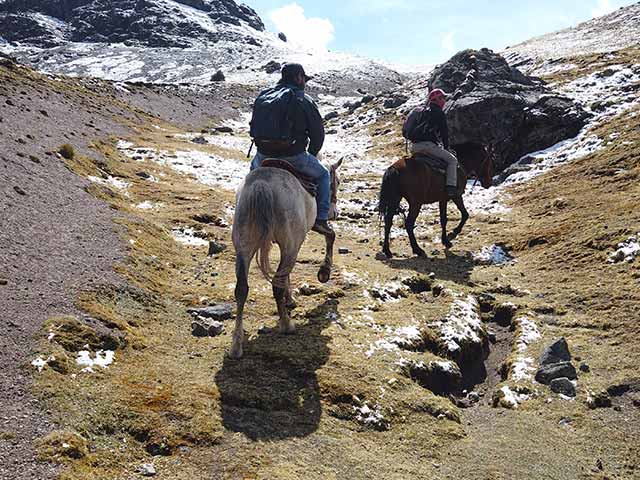
I’ve been looking into all the details, and the logistics for this trip are top-notch. Our company, is staffed with highly trained, passionate guides who lead the groups. Our pack horses, which are never overloaded (carrying no more than 100 pounds or 50 kilograms), carry all the camping gear and personal belongings, allowing you to travel light. And the chef—the thought of hot, restaurant-style meals after a long day of hiking is simply magical. It’s all about having plenty of energy to appreciate the amazing landscapes this trek offers.
Why We’re the Ultimate Choice for this Trek
I’m particularly drawn to this company because they prioritize the well-being of their horsemen, providing them with fair salaries and equipment, and they run their own social projects to improve their lives. This genuine care for the local community adds an extra layer of authenticity to the trip. The groups are small, maxing out at eight people, which I love because it ensures a more intimate experience. The equipment is also top-tier, with quality tents, sleeping bags, and trekking poles to guarantee ache-less nights in the mountains. We’re talking Eureka Tents and Black Diamond poles. They even provide satellite phones for emergencies and portable, eco-friendly toilets. Let’s not talk about the fact that they don’t share groups with other companies, so you’re not trekking with hoards of strangers.
Travel Guide
Foods
For our hikes, we provide you with your own personal chef. They prepare delicious meals of different dishes so you will be happy, satisfied and energized for your hike. We have had many comments from previous travelers saying that the food was amazing and they really liked it and it was an unexpected highlight of the trip. Additionally, for our tours and trek packages we ensure that all meals included in restaurants are safe and offer a variety of optional dishes. For more information about food and restaurants.
Group Numbers
Unlike other travel companies, we keep our numbers of travelers small and our services are personalized. It is important to us to make every part of your trip special. We guarantee the maximum number of people in your group will be eight, although our groups usually end up being smaller than this. We can also organize private tours and services if you wish.
Altitude
You must spend at least two days in Cusco to properly acclimatize before beginning any trek you do with us. You can also take altitude pills called Diamox or get this medicine in Cusco, or soroche pills. Make sure you drink plenty of water and coca tea. If you stay at the Hotel Cusco B&B they can show you how to make your first Coca mate!
First aid
Our guides are well prepared with first aid kits. They are also trained and certified in CPR and first aid. For our high altitude hikes, we always carry emergency oxygen. Additionally, for our long alternative treks to Machu Picchu, we also have an emergency horse that can be ridden.
Lodging
We have our own stock of high quality equipment and adapt it to your trip. We make sure you are warm and comfortable during your adventure. Our tents are The North Face Mountain 25 2 person tents. We also work with a variety of hotels in the area and make sure we find them within your reach and liking.
Luggage storage
For all your hikes and tours, you can store your luggage for free at your hotel or in our office.
Best Time to Travel
The high tourist season in Peru is from April to September. This is also the dry season, when hiking is excellent because there is very little chance of rain. However, some people prefer to visit Peru during the low season, from October to March, because there are generally fewer tourists in the city and at the tourist sites. Additionally, during the rainy season, the mountains and valleys around Cusco are green and lush. If you are planning to hike Machu Picchu it is generally best to try to go during the dry season, however we have many groups that go during the rainy season and still have an amazing experience. We offer all our hikes throughout the year and the archaeological sites are open all year round, with the exception of the entrance to the Inca Trail, which is closed throughout the month of February for maintenance.
The weather
Due to the geographical properties of the mountains, the weather in the Andes is very unpredictable. The weather here is known for short rain showers, followed by sunshine, followed by thunderstorms. The rainy season lasts from approximately October to March, so if you plan to travel within these months, be sure to bring a waterproof jacket or poncho. If you are traveling between April and September, the probability of rain is lower, but it is important that you bring a poncho so as not to have any problems during the walk, since there will be light rains. The Cusco region is generally hot during the day and cold at night. In the summer, between October and March, it can be in the mid-80s during the day and drop to around 50 degrees at night. In the winter, between April and November, it can reach up to the mid 70s and then drop as low as 30s at night. The weather at night varies significantly depending on altitude. At Cusi Travel, we provide you with warm North Face tents to sleep in during camping trips, but in any case, make sure to bring a warm and light thermal fleece or sweater for the night. For more information on what clothes to bring on your trip to Cusco.
Coins
Be sure to always carry cash with you, as some places do not accept credit cards. Most stores and restaurants also require you to pay in Peruvian soles, but you can always exchange money at a “Casa de Cambio”. There are also many ATMs in the city of Cusco, but they generally have limits and withdrawal fees. For more helpful money tips.




 5 (12 reviews)